Three Years of Silence, Then One Phone Call That Changed Everything
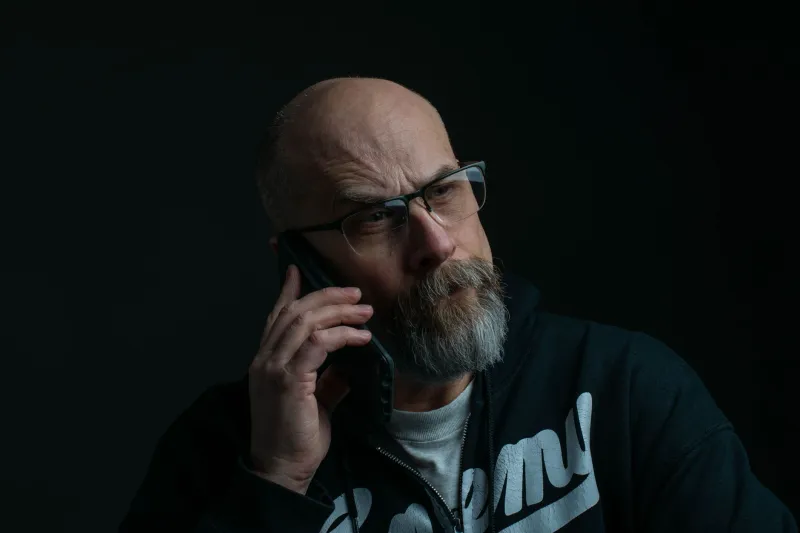
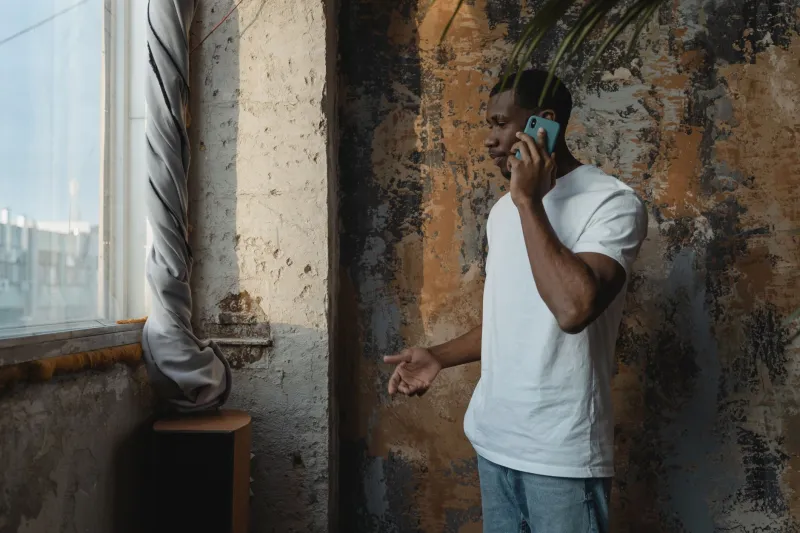
It started with a voicemail. No pitch, no publicist, no "circling back" email from an assistant. Just a voice — a little rougher than we remembered — saying something like, I think I'm finally ready to talk about what actually happened.
We'd interviewed this person years earlier. The episode did fine. The guest was articulate, warm, gave us plenty of quotable moments. By every measurable standard, it was a good interview. But somewhere in the back of our heads, we always felt like we'd only gotten the surface version. The polished take. The story they'd already told themselves enough times that it came out smooth and practiced, with the rough edges worn down.
Then three years passed. And they called back.
The Version You Tell When You're Ready to Perform vs. The Version You Tell When You're Ready to Be Honest
Here's something the podcast industry doesn't talk about enough: there's a massive difference between being available to tell your story and being ready to tell it truthfully.
When guests come on a show, they're usually in some kind of promotional mode — even when they don't mean to be. They've got a book dropping, a project launching, a narrative they need to control. Or maybe they've just rehearsed their origin story so many times at dinners and networking events that it's become a kind of performance. Polished. Digestible. Safe.
None of that is dishonesty, exactly. It's just the version of the truth that feels survivable at the time.
But time does something to a story. Distance changes what feels dangerous to say out loud. A painful chapter that felt too raw to discuss in real-time starts to look different once you've actually made it through to the other side. The shame recalibrates. The defensiveness softens. What used to feel like a wound that needed protecting starts to feel more like scar tissue — still there, but no longer something you have to guard so carefully.
That's the version worth waiting for.
Why the Industry Is Wired to Miss This Entirely
Podcast culture, especially in the US, runs on momentum. You book the guest when they're hot. You drop the episode when the timing is right. You move on. The whole machine is built around currency — relevance, recency, the algorithm's appetite for the new.
And that's fine, as far as it goes. But it creates a blind spot the size of a canyon.
The most honest version of almost any story doesn't come out when someone is riding high or in the middle of their moment. It comes out later, when the spotlight has moved on and there's nothing left to protect. When the press cycle is over and the performance finally gets to stop.
Think about the interviews that actually stay with you — the ones you still think about years after listening. Chances are they weren't the big promotional gets. They were the ones where something genuinely unexpected got said. Where someone went somewhere they maybe didn't plan to go. Those moments of real vulnerability almost never happen on schedule. They happen when someone's guard drops because the stakes feel lower, not higher.
So when a guest calls back three years later with nothing to sell, that's not a strange anomaly. That might actually be the most valuable conversation you'll ever have with them.
What the Callback Reveals About the Original Interview
Here's the uncomfortable part: when a guest comes back to reframe what they said before, it holds up a mirror to the original recording in ways that can be genuinely unsettling.
Sometimes the callback reveals that the first version was quietly incomplete — not deceptive, but edited in ways the guest wasn't fully conscious of at the time. Other times it exposes something about the interview itself: maybe the host didn't push hard enough, or the format didn't create enough safety for real honesty, or the guest simply wasn't in a place where they could access the deeper truth yet.
And occasionally, the callback reveals something harder to sit with — that the "authentic" moment everyone praised in the original episode was actually the most carefully constructed part of the whole thing.
This isn't about calling anyone a liar. It's about recognizing that human beings are genuinely complicated, and that what we're able to say about ourselves at any given moment is always a partial picture. The story we tell about our lives is a work in progress. It changes as we change.
The guest who calls back three years later isn't contradicting themselves. They're just further along in the process of figuring out what actually happened to them — and what it meant.
Sitting With the Discomfort of Not Getting It All Right Away
There's a patience required here that runs counter to almost everything about how modern media operates. The idea that you might need to stay in relationship with a guest for years before the real conversation is possible — that's not a scalable production model. It doesn't fit neatly into an editorial calendar.
But some of the most important things don't.
What we've started to believe, after enough of these delayed conversations, is that the first interview is sometimes less of an endpoint and more of an opening. A first draft. A way of establishing enough trust that the real work can eventually happen.
That doesn't mean every episode needs a sequel. Most don't. But it does mean staying genuinely curious about the people you've talked to, even after the episode drops and the downloads flatten out. It means leaving the door open. It means making sure guests know that if something shifts for them — if they find themselves wanting to revisit something, correct the record, go deeper — the conversation doesn't have to be over just because the episode is.
The Phone Call Nobody Books
We don't have a good system for this. Nobody does. The follow-up that happens years later because someone finally processed what they went through — that's not a format. It's not a series. It's just what happens when you treat the people you talk to like actual human beings instead of content assets.
But maybe that's the point.
The best conversations aren't always the ones you plan. Sometimes they're the ones you couldn't have predicted — the voicemail out of nowhere, the email that starts with I've been thinking about what I said and I want to try again, the guest who shows up three years later with nothing to promote and everything to say.
That's the call you pick up. Every time.